Klara Zimmermann · 14 September 2026
Redefining Outdoor Learning Through School Partnerships at Nature Retreats
School partnerships with nature retreats have expanded significantly in recent years as educators seek structured ways to integrate outdoor experiences into standard curricula, and data from multiple regions indicates these collaborations deliver measurable gains in student engagement and environmental knowledge. Researchers at institutions across North America and Europe have documented how joint programs allow schools to leverage retreat facilities for multi-day field studies that align with science, physical education, and social studies standards while retreats gain consistent participant groups that support year-round operations.
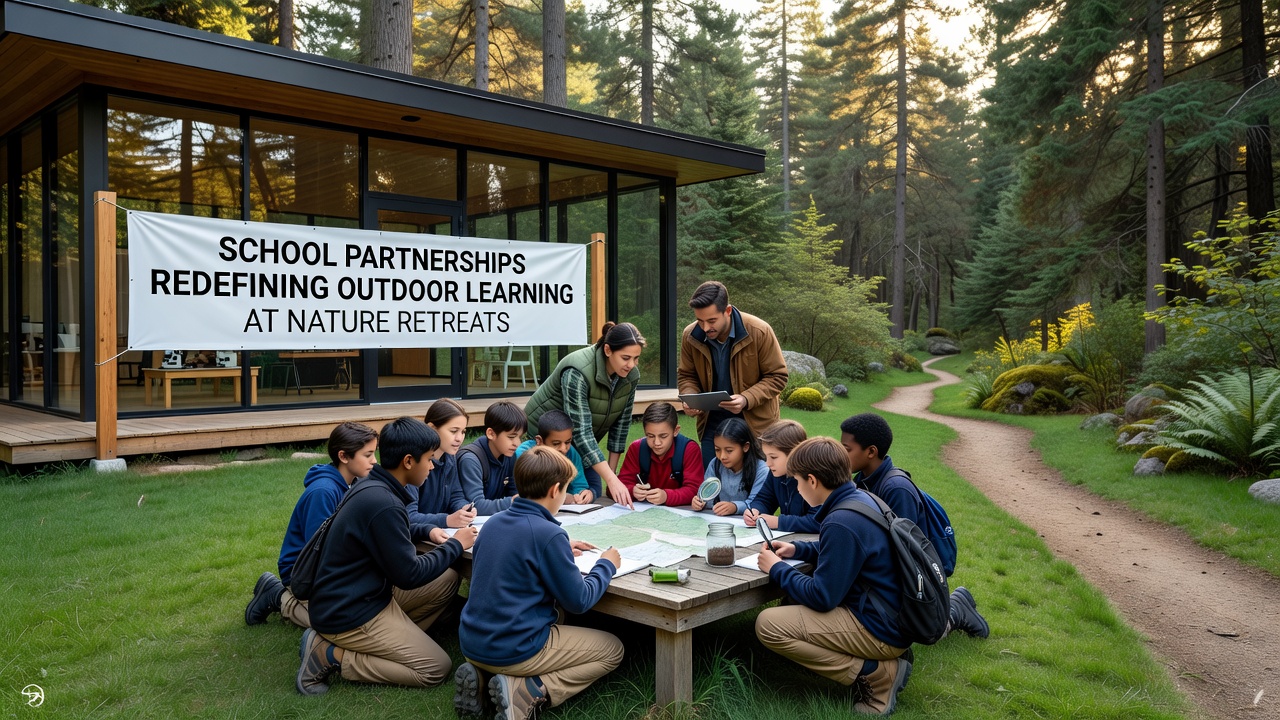
Programs typically combine classroom preparation with on-site activities such as habitat monitoring, trail navigation exercises, and group problem-solving challenges; these elements connect directly to learning objectives set by participating districts. Figures released by the Australian Department of Education show that schools involved in similar outdoor partnerships report higher attendance rates during field components compared with traditional classroom instruction alone, and observers note the pattern holds across different age groups from primary through secondary levels.
Program Structures and Curriculum Alignment
Many partnerships operate on multi-year agreements that outline shared responsibilities for transportation, staffing, and safety protocols, and these formal arrangements enable retreats to customize offerings based on specific grade-level requirements. Educators often work with retreat staff to map activities to state or national standards, which creates seamless transitions between school lessons and retreat experiences. One documented case involved a district in British Columbia where students conducted water quality testing at a partnered retreat, then analyzed results back in the classroom using data collected on site, demonstrating how the model supports inquiry-based learning cycles.
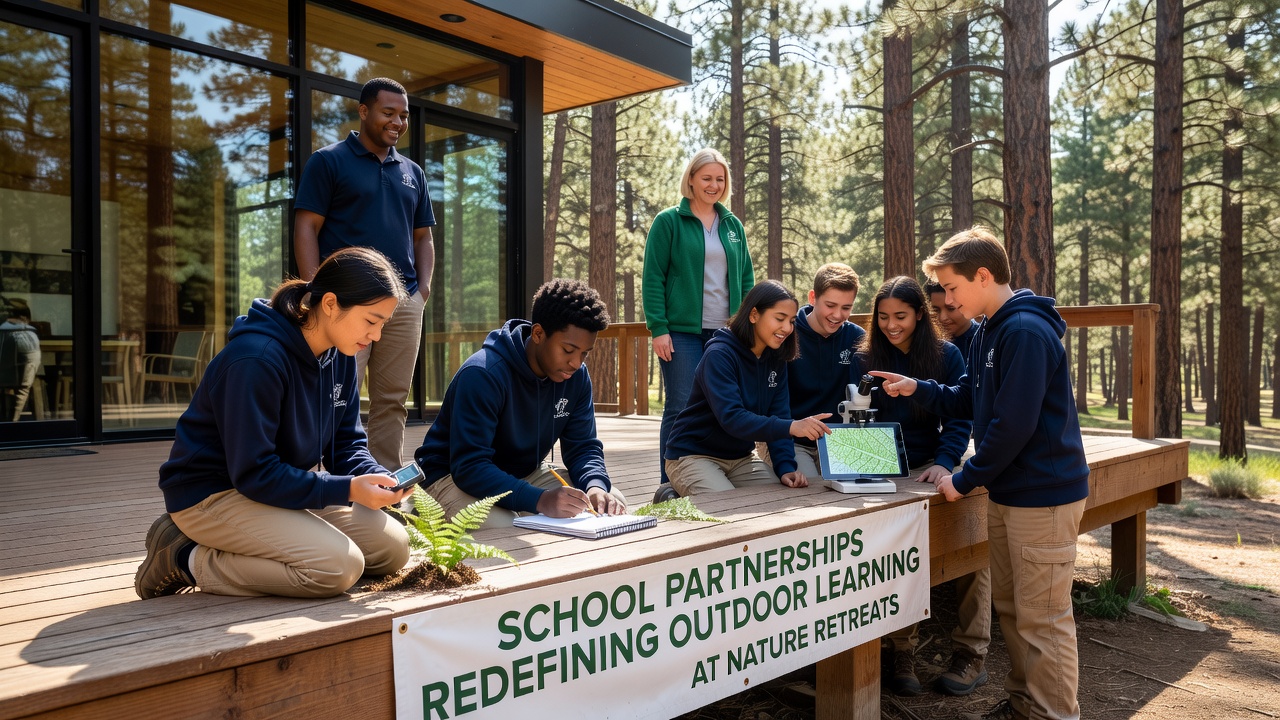
Additional activities include overnight camping rotations, species identification workshops, and team-building initiatives that emphasize communication and cooperation. According to reports from the U.S. Forest Service educational outreach division, such integrated approaches correlate with improved retention of scientific concepts when students apply knowledge in natural settings rather than simulated environments. Partnerships also incorporate technology elements like GPS mapping and digital journaling, which help bridge generational gaps between traditional outdoor skills and contemporary tools.
Geographic Expansion and Scheduling Trends
Retreats in both rural and peri-urban locations have formed these alliances, and the model now appears in coastal, mountain, and grassland ecosystems across several continents. Scheduling data reveals peak usage during spring and fall shoulder seasons, which helps retreats maintain staffing and revenue outside traditional summer camp windows. In September 2026 several North American retreats plan to launch expanded partnership tracks that include climate resilience modules developed in coordination with local school science departments, building on pilot programs completed the previous academic year.
Transportation logistics remain a key coordination point, with many districts utilizing grant funding from environmental education foundations to cover bus costs. Safety standards follow guidelines established by national park agencies and provincial ministries, ensuring that risk management plans address terrain-specific hazards and emergency response times. Staff training sessions often occur jointly between school personnel and retreat instructors so that supervision ratios and activity protocols remain consistent.
Evaluation Methods and Long-Term Tracking
Assessment of partnership outcomes relies on pre- and post-program surveys, teacher observation rubrics, and in some cases longitudinal studies that follow student cohorts into subsequent academic years. Research compiled by university teams in Scandinavia indicates measurable increases in student self-reported connection to natural environments after repeated exposure through school-linked retreats, with effects persisting at least one year post-participation. These findings align with similar tracking efforts underway in New Zealand through the Ministry of Education’s outdoor learning initiatives.
Quantitative metrics include hours spent in direct nature contact, species or ecological concepts mastered, and changes in physical activity levels during retreat visits. Qualitative feedback from participating teachers frequently highlights improved classroom dynamics after group experiences at retreats, though individual results vary by program design and student demographics. Retreat operators use these evaluations to refine offerings and demonstrate value to potential school partners during recruitment cycles.
Conclusion
School partnerships continue to shape how nature retreats deliver educational programming by aligning facility resources with formal learning goals and providing repeated access to outdoor environments. Ongoing data collection from multiple countries will clarify which program elements produce the strongest results across diverse student populations, and September 2026 expansions will supply additional case material for researchers examining these models. The structure supports both immediate curriculum needs and broader objectives around environmental literacy without requiring schools to develop standalone outdoor facilities.