Greta Simmons · 28 September 2026
Protected Areas Draw Growing Crowds of Birdwatchers Amid Record Species Diversity Gains
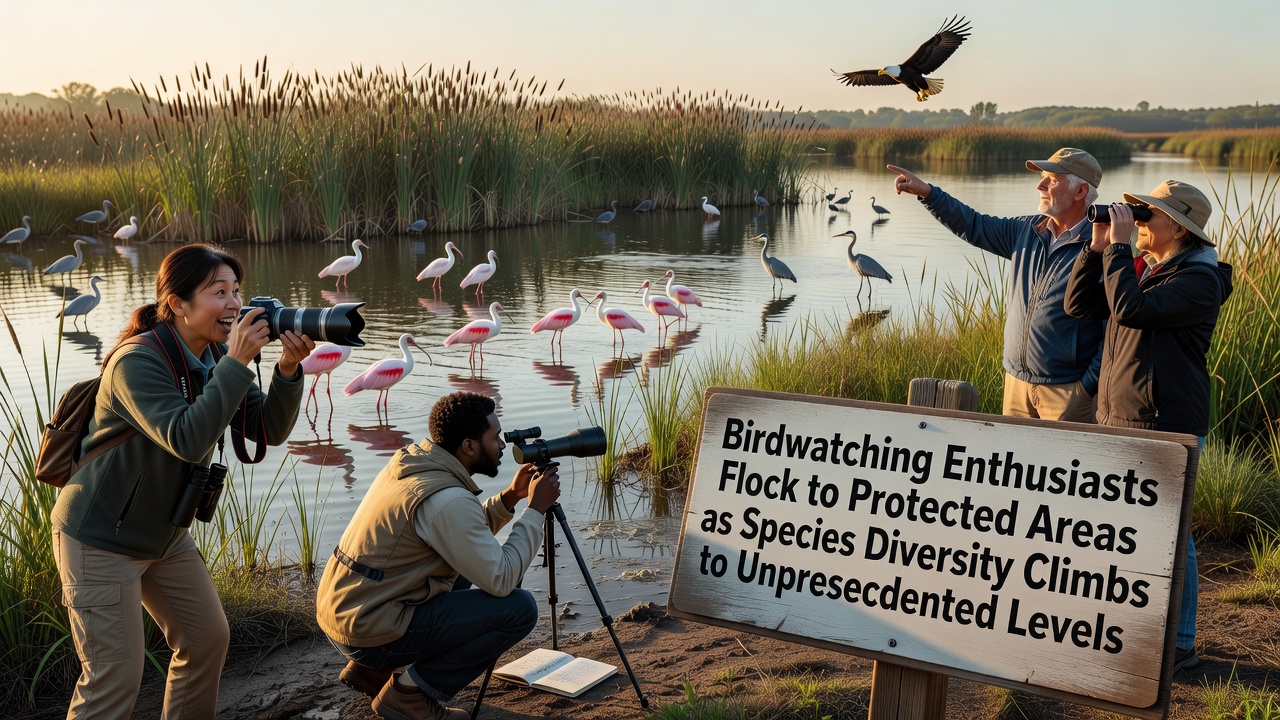
Observers note that protected areas across multiple continents have recorded measurable increases in bird species diversity over the past decade, and data from monitoring programs show corresponding rises in visitor numbers at these sites. Researchers attribute part of the trend to habitat restoration efforts combined with shifts in migration patterns that bring new species into established reserves.
Figures from the U.S. Fish and Wildlife Service indicate that certain national wildlife refuges reported 15 to 20 percent more documented species between 2020 and 2025, while visitor logs at the same locations climbed steadily during the same period. And similar patterns appear in reports covering reserves in Australia and Canada, where counts of resident and migratory birds have expanded in tandem with public access improvements.
Drivers Behind Rising Avian Diversity
Habitat protection measures, including wetland restoration and controlled burns that reduce invasive plant cover, create conditions that support wider ranges of bird species. Studies compiled by Environment and Climate Change Canada document how these interventions correlate with higher counts of warblers, shorebirds, and raptors returning to former breeding grounds each spring. Climate-related changes also play a documented role, as warmer average temperatures allow some southern species to extend their ranges northward into previously marginal areas.
September 2026 marks the scheduled release of the next global assessment from the Ramsar Convention on Wetlands, and preliminary summaries already circulated among researchers suggest continued gains in documented species at protected wetland sites. Those summaries note that several regions have added between three and seven new species to official checklists since the prior report cycle, largely due to improved survey technology that captures previously undetected nocturnal and canopy-dwelling birds.
Visitor Trends at Key Reserves
Attendance records from reserves managed under the European Union's Natura 2000 network reveal parallel growth, with birdwatching permits issued at several Mediterranean and Baltic sites rising by double-digit percentages year over year. Park staff attribute the increase to expanded trail networks and observation platforms that accommodate larger groups without disturbing nesting areas.
Take one long-term monitoring project at a coastal reserve in southern Australia where annual species counts climbed from 142 in 2018 to 171 in 2025. Local operators reported that organized birding tours booked to capacity during peak migration windows, and equipment sales at nearby retail outlets reflected higher demand for spotting scopes and field guides. Data from these operations show that repeat visitors often cite the chance to see newly arrived species as their primary reason for returning.
Technology and Community Contributions
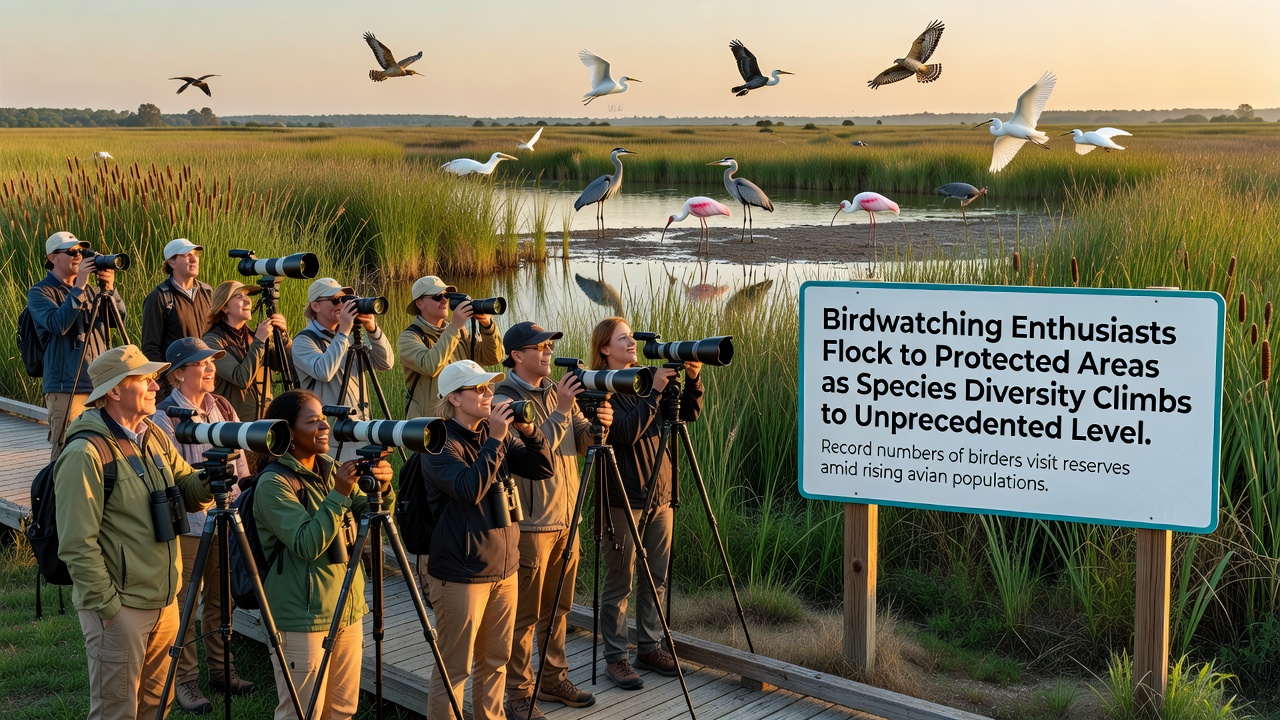
Citizen science platforms now feed real-time sighting data into centralized databases maintained by government agencies, and these inputs help refine population estimates that guide management decisions. When enthusiasts upload verified photographs and audio recordings, the resulting datasets allow faster identification of range expansions and help prioritize areas for additional protection measures.
What's interesting is how mobile applications that link directly to reserve maps have lowered barriers for first-time participants. Users receive alerts about recent sightings within specific zones, which in turn spreads visitor pressure more evenly across trails and reduces congestion at traditional hotspots. Park managers at several sites report that this distribution helps maintain lower disturbance levels even as total numbers increase.
Management Responses to Increased Use
Reserve administrators have adjusted operating hours and introduced timed entry systems at locations where peak daily counts exceed previous capacity thresholds. These changes, combined with educational signage that outlines low-impact viewing practices, aim to sustain both species diversity and visitor satisfaction over the long term.
Training programs for volunteer guides now incorporate modules on recognizing early signs of habitat stress, and participants learn to report any unusual concentrations of birds or changes in vegetation cover directly to on-site biologists. Such feedback loops strengthen the connection between public engagement and ongoing conservation work.
Conclusion
Documented rises in species diversity at protected areas continue to coincide with higher numbers of birdwatching visitors, and monitoring programs track both trends through standardized counts and attendance logs. Continued investment in habitat management and public access infrastructure supports these patterns, while data-sharing networks allow rapid incorporation of new observations into management plans. As additional assessments become available, including the 2026 Ramsar update, the relationship between avian diversity gains and recreational use at reserves will remain a focus for researchers and site operators alike.