Wendy Simon · 9 November 2026
Lakeshore Restoration Projects Unite Volunteers and Students in Face of Changing Weather and Fire Rules
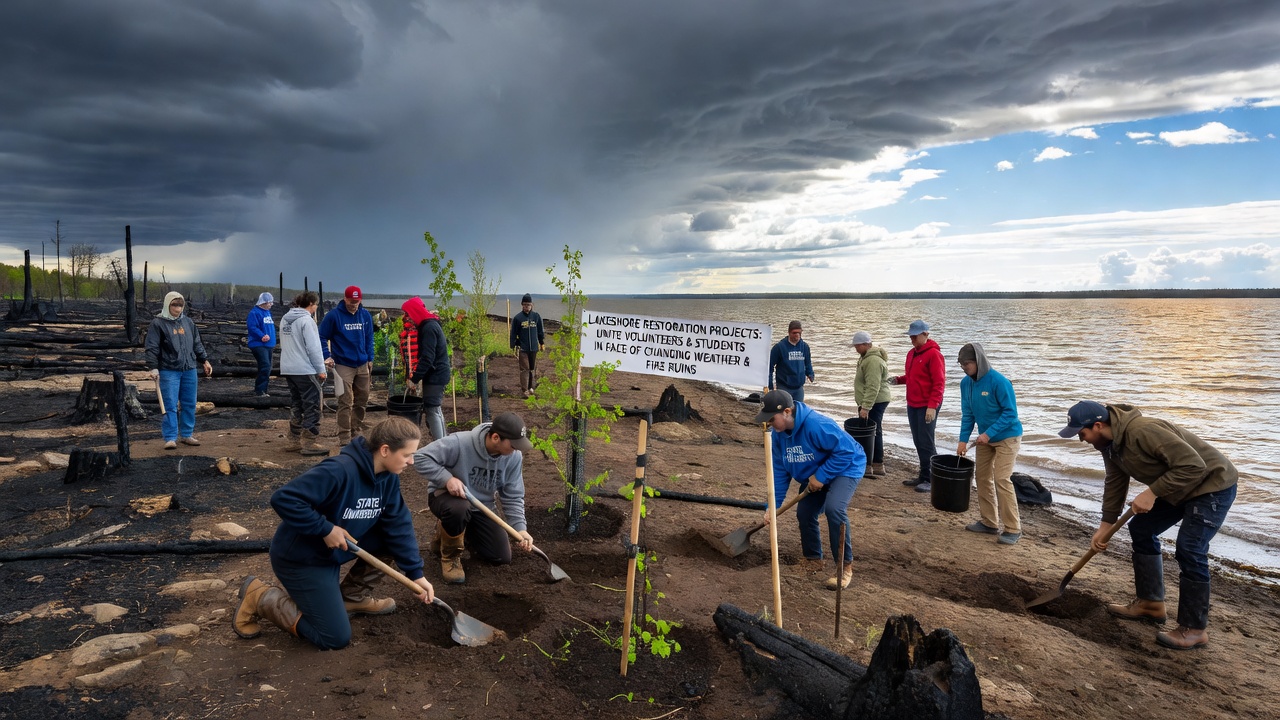
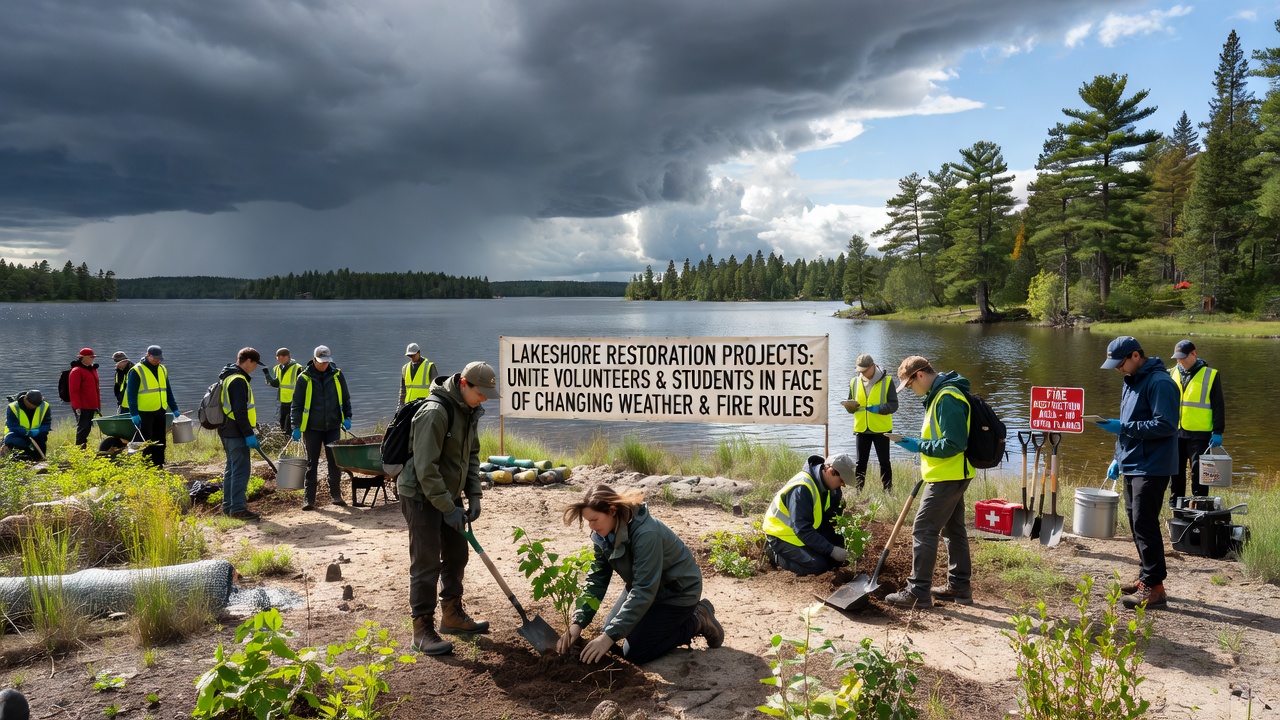
Lakeshore restoration efforts have expanded across multiple regions as teams coordinate planting sessions, erosion control measures, and habitat monitoring programs that draw in local volunteers alongside high school and university students, and these initiatives now operate under updated guidelines for prescribed burns and shifting precipitation patterns that have altered traditional timelines for field work. Projects typically focus on stabilizing shorelines through the installation of native plant buffers, removal of invasive species such as purple loosestrife and phragmites, and installation of log structures that reduce wave impact, while data from monitoring stations show measurable improvements in water clarity and fish spawning areas after two to three seasons of consistent activity. In November 2026 several coordinated events took place along the Great Lakes and inland waterways where participants completed over 12,000 hours of labor across 18 sites, with crews working in shifts to meet seasonal deadlines before winter freeze-up.Coordination Among Schools and Community Groups
School districts have integrated restoration work into environmental science curricula so that students gain hands-on experience with soil sampling, GPS mapping, and species identification, and partnerships with nonprofit organizations supply equipment, transportation, and safety training that allow larger groups to participate without exceeding site capacity limits. Observers note that these alliances have produced consistent turnout, with one program in the Midwest recording participation from 14 different schools during the fall session alone, and the resulting data sets on plant survival rates contribute to regional databases maintained by state natural resource departments. Volunteers from retirement communities and corporate teams often join weekday crews, which spreads the workload adn allows students to focus on weekend events that align with academic calendars.Adjustments to Weather Variability and Fire Regulations
Changing weather patterns have shortened the window for certain restoration techniques, particularly those involving controlled burns to clear overgrown areas before replanting, and new fire rules require additional permitting steps, buffer zone calculations, and real-time weather monitoring that extend preparation time for each burn. Agencies have responded by issuing seasonal advisories that incorporate updated wind and humidity thresholds, and crews now schedule burns only during narrow periods when conditions meet both ecological goals and safety standards set by regional authorities. Research indicates that drier summers have increased erosion rates along exposed shorelines, prompting teams to prioritize mechanical stabilization methods such as coir logs and rock vanes in addition to vegetation work, and monitoring reports from multiple watersheds show that combined approaches have reduced sediment input by measurable percentages within the first year of implementation.