Yara Koch · 12 October 2026
Community Cleanups and School Alliances Drive Lakeshore Ecosystem Recovery Amid Regulatory and Climate Challenges
Community organizations and educational institutions have expanded their roles in lakeshore management as regulatory frameworks tighten and climate conditions shift water levels along with habitat stability. Data from multiple monitoring programs show measurable improvements in water quality and species presence where combined cleanup and partnership efforts have taken hold over recent seasons.
Expansion of Local Cleanup Operations
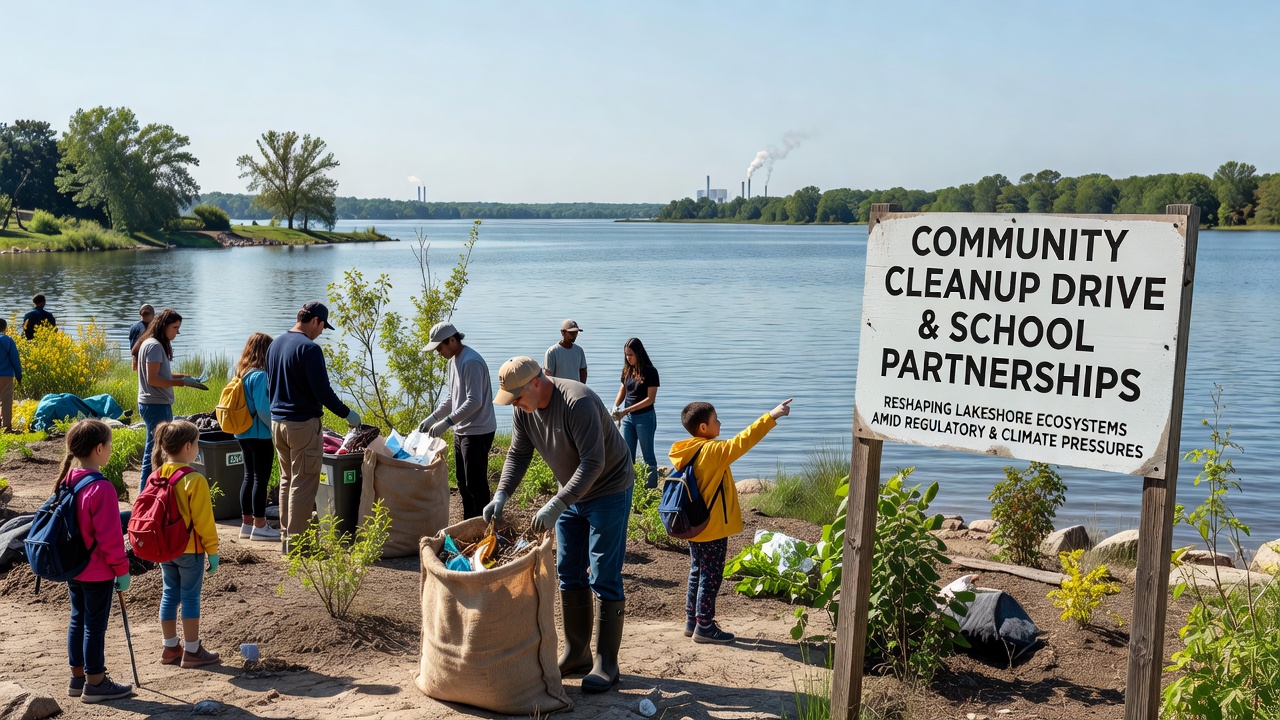
Volunteer groups coordinate regular removal of plastics, invasive plant material, and sediment buildup at key access points around lakes in several regions. Records kept by participating municipalities indicate that events held between 2024 and 2026 collected over 120 metric tons of material across participating sites, with participation numbers rising steadily each quarter. These operations often align with seasonal low-water periods when debris becomes more accessible along exposed shorelines.
Equipment donations from local businesses have allowed crews to handle larger volumes without increasing costs to taxpayers. One project near a midwestern reservoir documented a 30 percent drop in E. coli counts at three sampling stations after two years of consistent removal work. Similar patterns appear in reports compiled by state environmental agencies that track nutrient loading and shoreline erosion rates.
School Partnerships Strengthen Long-Term Monitoring
High schools and colleges now incorporate lakeshore fieldwork into science curricula, giving students direct experience with data collection on water chemistry, macroinvertebrate counts, and vegetation transects. Partnerships formalize these activities through agreements that supply transportation, safety training, and equipment loans from regional conservation districts. In October 2026 several districts reported that student-collected datasets contributed to official submissions for federal habitat restoration grants.
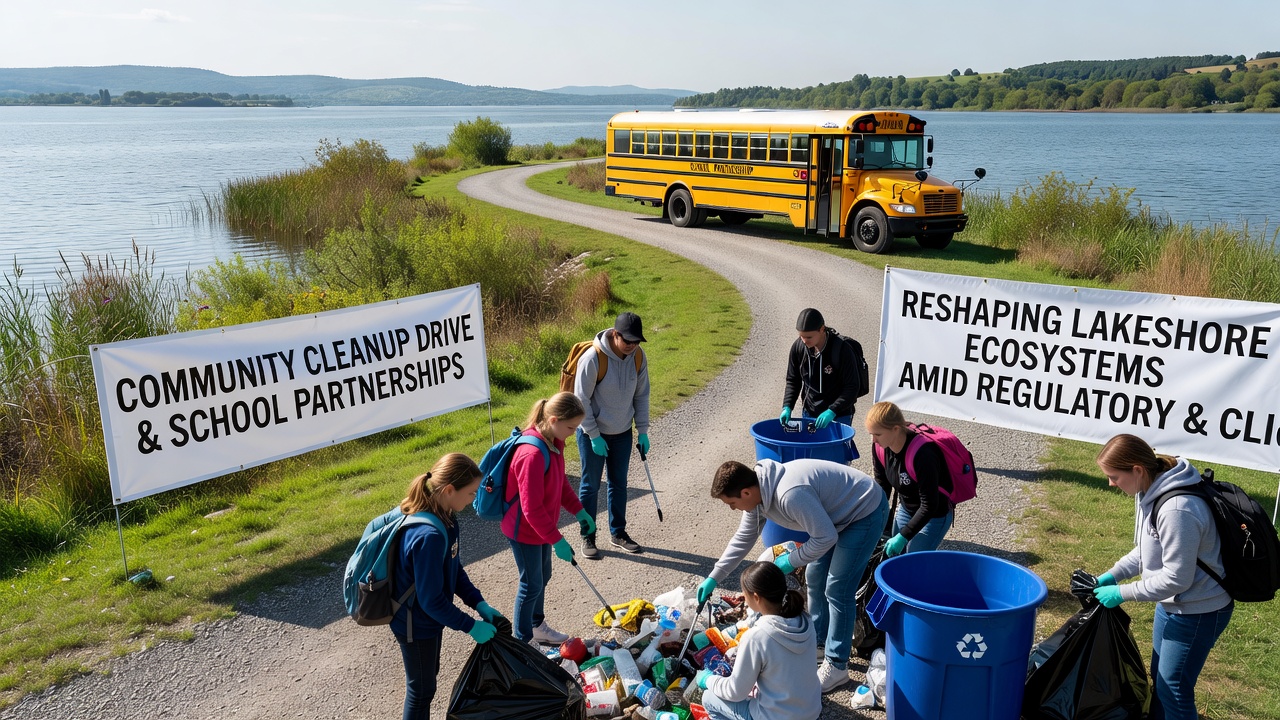
Programs running in both the United States and Canada demonstrate how repeated visits by the same classes allow tracking of seasonal changes that single-day volunteer events might miss. According to EPA Great Lakes monitoring summaries, sites with active student involvement showed faster detection of new invasive species arrivals compared with areas lacking such coverage. The consistency of student observations also supports compliance reporting required under updated state water quality rules.
Regulatory Adjustments Shape Project Scope
Recent updates to permitting processes for shoreline work have required tighter documentation of sediment disturbance and waste disposal methods. Cleanup organizers now submit detailed logs to meet standards set by agencies in multiple jurisdictions, including the U.S. Army Corps of Engineers district offices and provincial environment ministries. These requirements have prompted groups to adopt standardized digital reporting tools that streamline submissions while maintaining transparency for public review.
Grants tied to regulatory compliance have funded equipment upgrades and training sessions for both volunteers and student participants. Figures released by Environment and Climate Change Canada indicate that funded projects achieved higher compliance rates and completed restoration targets on schedule more often than unfunded counterparts during the 2025-2026 cycle.
Climate Factors Influence Restoration Priorities
Rising average temperatures and altered precipitation patterns have changed water level fluctuations and extended the growing season for certain aquatic plants. Cleanup schedules now account for earlier ice-off dates and increased storm-related debris pulses. Research compiled by university field stations along the Great Lakes notes that native plant re-establishment efforts succeed more reliably when combined with regular removal of floating litter that can smother young shoots.
Long-term records show that areas maintaining both physical cleanups and ongoing student monitoring experienced smaller declines in dissolved oxygen levels during summer heat events compared with untreated segments. These observations align with broader datasets gathered across the basin and help prioritize future intervention sites.
Conclusion
Combined community and school initiatives continue to produce documented gains in lakeshore condition while meeting evolving regulatory standards and responding to climate-driven changes. Ongoing data collection and coordinated scheduling support sustained progress across participating regions without reliance on single-source funding or short-term campaigns.